Introduction
The music industry has undergone a seismic shift. Gone are the days when a musician’s only hope was a major label deal or a massive radio hit. In 2026, the real goldmine lies in the “short-form” world. Specifically, we are talking about Micro-Sync Licensing Strategies for Musicians. If you have ever heard a catchy 15-second tune on a viral TikTok or an Instagram Reel, you have witnessed micro-sync in action. But how do you, as an independent artist, get a piece of that multi-billion dollar pie? This guide will dive deep into every aspect of this monetization powerhouse.
Top Trending Instagram Reels Songs 2026: 15 Viral Hits for Creators
What is Micro-Sync? The Future of Monetization
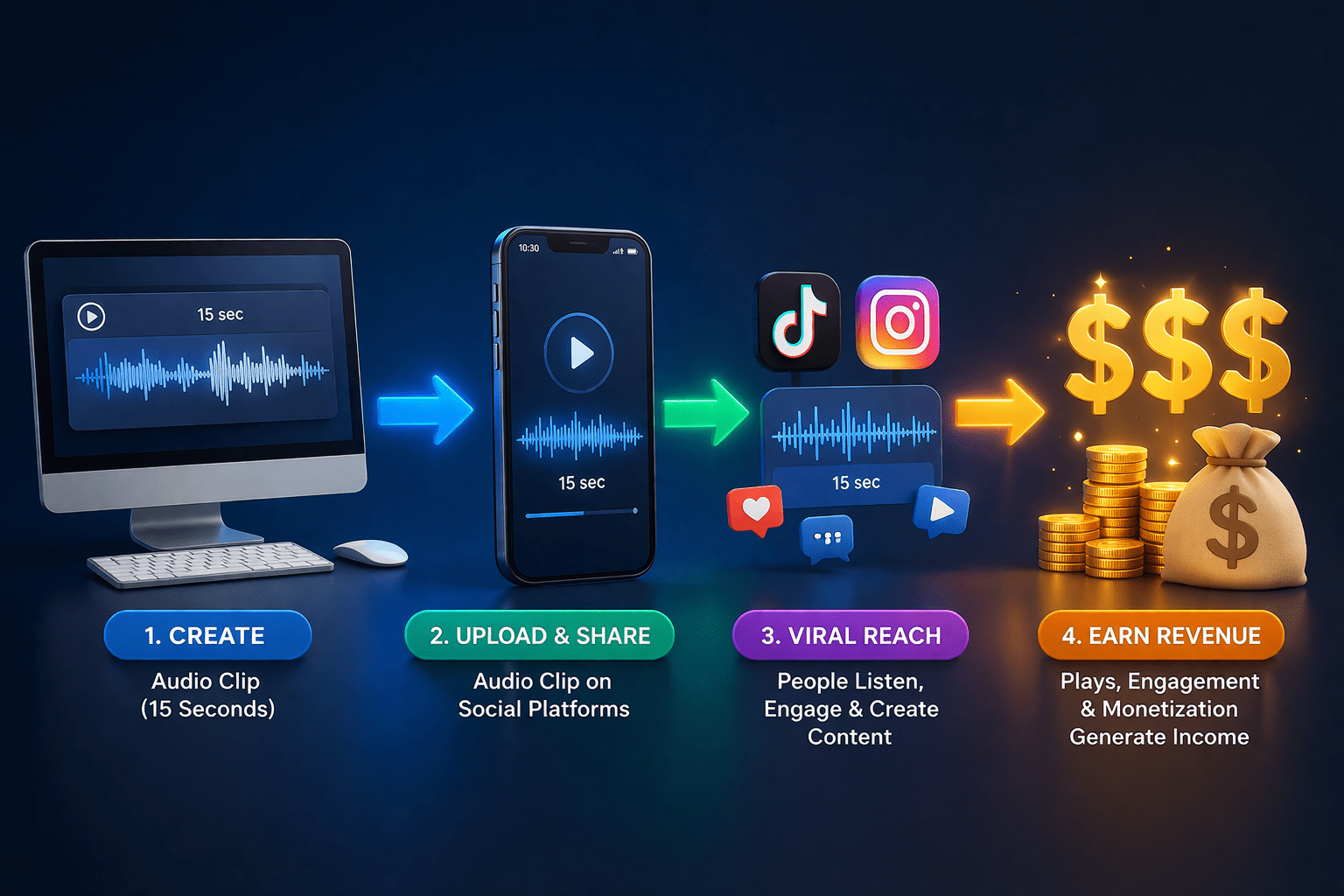
Before diving into the strategies, let’s define the term. Traditional sync licensing involves placing your music in films, TV shows, or commercials. Micro-sync, however, focuses on high-volume, low-fee placements in user-generated content (UGC). Implementing effective Micro-Sync Licensing Strategies for Musicians means your music is being used by thousands of creators on platforms like YouTube Shorts, TikTok, and Instagram.
Why 2026 is the Year of the Micro-Sync
The demand for background music has skyrocketed. Every influencer, small business, and hobbyist creator needs high-quality, copyright-safe music. By focusing on Micro-Sync Licensing Strategies for Musicians, you are positioning your catalog where the demand is highest. It’s a volume game: while one placement might only earn a few cents, ten thousand placements can create a substantial passive income stream.
1. Optimizing Metadata for Micro-Sync Discovery
The first of our Micro-Sync Licensing Strategies for Musicians starts with searchability. If a creator searches for “Lo-fi chill beat for cooking,” does your track show up?
-
Secret Tip: Use highly descriptive tags. Instead of just “Rock,” use “Energetic Indie Rock for Gym Workouts.”
-
Actionable Step: Ensure your ISRC and UPC codes are correctly embedded in your files.
2. Creating “Hook-First” Compositions
In the world of short-form video, you only have 3 seconds to grab attention. One of the most vital Micro-Sync Licensing Strategies for Musicians is composing music specifically for these platforms.
-
The Strategy: Start with the chorus or the most infectious beat immediately. Avoid long intros.
-
Focus Point: Make sure the “drop” happens exactly where a creator would want to transition their video.
Latest Trends in Music Production from SoundOnSound
3. Leveraging Content ID Systems Properly
Credited By: xJ-Will
You cannot have successful Micro-Sync Licensing Strategies for Musicians without protection. YouTube Content ID and Facebook Rights Manager are your best friends.
-
How it works: These systems scan every video uploaded. If your music is found, the platform automatically claims the ad revenue for you.
-
Pro Tip: Choose a distributor that offers robust Content ID management as part of their package.
4. Direct-to-Creator Outreach Campaigns
Don’t wait for creators to find you. Active Micro-Sync Licensing Strategies for Musicians involve building relationships.
-
Strategy: Reach out to micro-influencers (10k-50k followers) and offer them your music for free in exchange for a tag and a link.
-
Long-term Value: As their video goes viral, your song’s “Sound” page on TikTok gains traction, leading to more organic uses.
5. Designing Modular Stems for Video Editors
Professional video editors love flexibility. A unique entry in our Micro-Sync Licensing Strategies for Musicians is providing stems.
-
What are stems? Individual tracks like just the drums, just the bass, or just the vocals.
-
Why it works: An editor might only want your drum beat for a fast-paced montage. By providing these options on libraries like Splice or AudioJungle, you increase your monetization surface area.
6. Mastering the Art of “TikTok-Ready” Loops
Sometimes a full 3-minute song is too much. One of the most efficient Micro-Sync Licensing Strategies for Musicians is releasing “loop packs.”
-
The Goal: Create perfect 15, 30, and 60-second loops that transition seamlessly.
-
The Benefit: These are easier for creators to use, leading to a higher usage rate per track.
7. Strategic Catalog Re-Versioning
Do you have old tracks sitting on your hard drive? Use Micro-Sync Licensing Strategies for Musicians to breathe new life into them.
-
Strategy: Create an “Acoustic,” “Sped Up,” and “Slowed + Reverb” version of your existing hits.
-
The Trend: “Sped up” versions are currently dominating TikTok charts. This is a low-effort, high-reward monetization tactic.
8. Navigating Non-Exclusive Music Libraries
To maximize the reach of your Micro-Sync Licensing Strategies for Musicians, you should place your music in multiple non-exclusive libraries.
-
Top Platforms: Epidemic Sound, Artlist, and Pond5.
-
Critical Move: Read the fine print. Ensure you retain the right to also upload your music to streaming services like Spotify.
9. Harnessing AI for Rapid Content Tagging
In 2026, AI is a tool, not an enemy. Use AI to improve your Micro-Sync Licensing Strategies for Musicians.
-
The Tool: Use AI auto-taggers to generate hundreds of keywords for your music.
-
The Benefit: This ensures your music appears in “mood-based” searches, which are common among creators.
10. Building a “Royalty-Free” Personal Brand
Counter-intuitively, one of the best Micro-Sync Licensing Strategies for Musicians is to designate some of your tracks as “Royalty-Free” for small creators.
-
The Logic: This builds a massive user base. Once you have “social proof,” bigger brands will pay premium prices to license your premium tracks.
-
Implementation: Create a dedicated “Free for Creators” section on your website.
11. Monitoring Data Analytics for Trend Hopping
The final pillar of Micro-Sync Licensing Strategies for Musicians is data. Use your Spotify for Artists or TikTok analytics to see where your music is trending geographically.
-
Action: If your song is trending in Brazil, run a small ad campaign there or collaborate with a local creator.
-
The Result: You amplify a natural spark into a full-blown viral flame.
Comprehensive Monetization Comparison Table
| Monetization Stream | Difficulty | Payout Speed | Role of Micro-Sync Licensing |
| Spotify Streaming | High | Slow | Promotional Vehicle |
| Traditional Sync (Film) | Very High | Slow | High Lump Sum |
| Micro-Sync Licensing | Medium | Fast/Ongoing | Scalable Passive Income |
| Live Performance | Medium | Immediate | Engagement Tool |
Legal Considerations in Micro-Sync
When executing Micro-Sync Licensing Strategies for Musicians, you must understand “Work for Hire” vs. “Copyright Ownership.” Always aim to own your Master and Publishing rights. This ensures that every time your Micro-Sync Licensing Strategies for Musicians result in a placement, 100% of the revenue comes to you.
The Role of Performance Rights Organizations (PROs)
Even in micro-sync, PROs like ASCAP, BMI, or PRS play a role. Ensure your songs are registered. When your music is played in a YouTube video with millions of views, it generates performance royalties. Integrating PRO registration into your Micro-Sync Licensing Strategies for Musicians ensures no money is left on the table.
Guide to Performance Royalties by ASCAP
Common Pitfalls to Avoid
-
Sample Clearance: Never use uncleared samples in tracks intended for Micro-Sync Licensing Strategies for Musicians. It will lead to copyright strikes and loss of revenue.
-
Bad Distribution: Choosing a distributor with no Content ID support will kill your Micro-Sync Licensing Strategies for Musicians before they start.
Frequently Asked Questions (FAQs)
Q1: How much can I realistically earn from Micro-Sync Licensing Strategies for Musicians?
A: It ranges from $50 a month to $5,000+ depending on your catalog size and how many viral videos use your sound.
Q2: Do I need a manager to start Micro-Sync Licensing Strategies for Musicians?
A: No, independent artists can use platforms like Songtradr or TuneCore to manage their micro-sync rights.
Q3: Is TikTok the only platform for micro-sync?
A: No, Instagram Reels, YouTube Shorts, and even platforms like Twitch and Pinterest are major players in the Micro-Sync Licensing Strategies for Musicians ecosystem.
Q4: Can I use AI-generated music for micro-sync?
A: While possible, platforms are increasingly favoring “human-made” music with clear copyright chains.
Conclusion
Success in the music business today requires more than just talent; it requires strategy. By mastering these 11 Micro-Sync Licensing Strategies for Musicians, you are turning your art into a scalable business. The world of 2026 is driven by short-form content, and music is its heartbeat. Start implementing these Micro-Sync Licensing Strategies for Musicians today, and watch your creative career reach new heights of financial freedom.
11 Best Hybrid DJ Controllers 2026: The Ultimate Pro Guide for Modern Performers