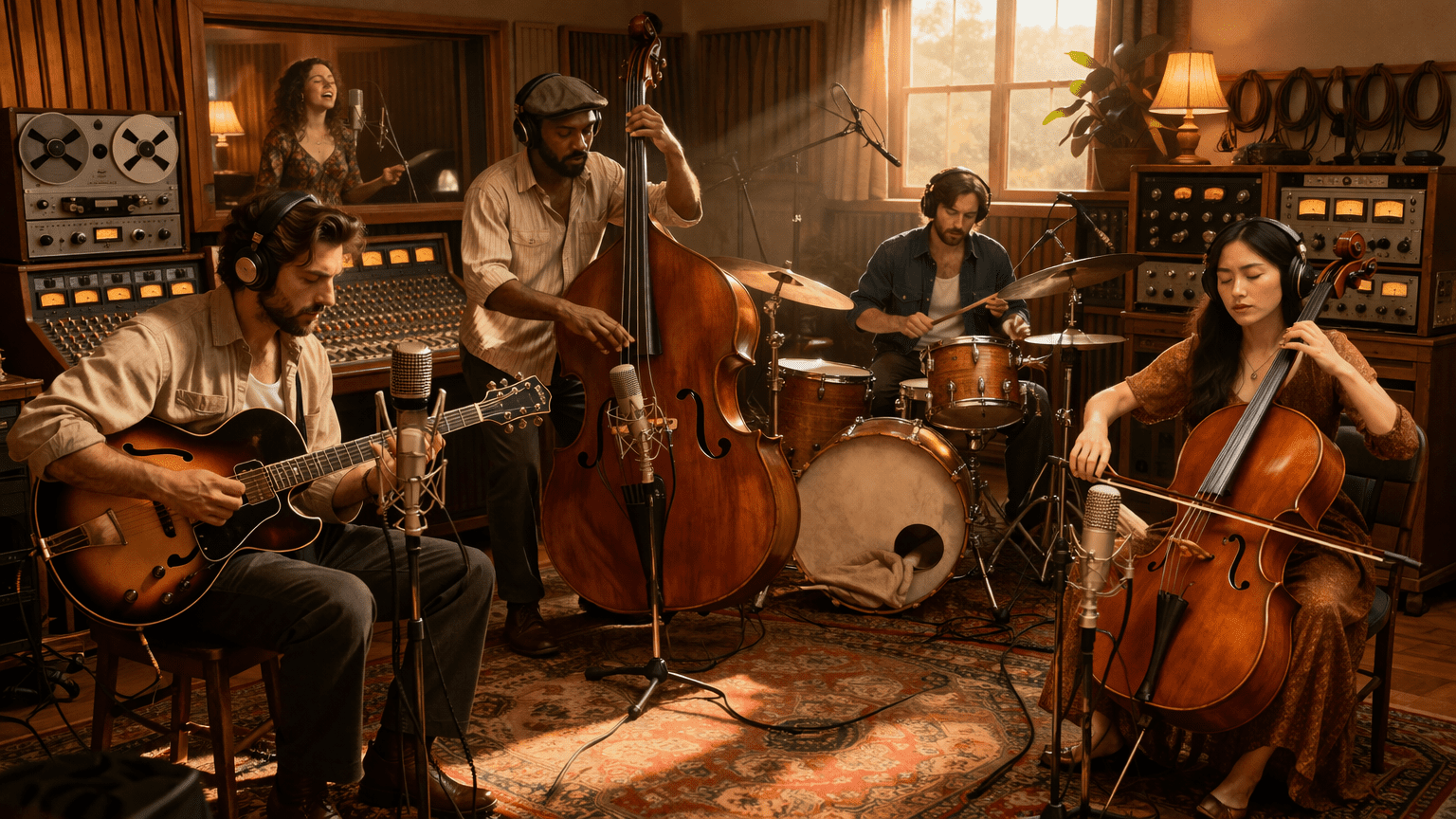
As we cross the first quarter of 2026, the music industry is witnessing an amazing phenomenon that many tech prophets claimed was impossible. After five years of aggressive AI integration, the global audience has revolted. We have officially entered the age of the Non-AI Music Movement 2026.
This movement is not a nostalgic retreat; it is a multi-billion dollar economic shift driven by a deep psychological hunger for “The Human Error.” In a world saturated with algorithmic perfection, the most expensive commodity in the music business is now human authenticity. The Non-AI Music Movement 2026 is the definitive answer to the digital fatigue of the mid-2020s.
1. The Saturation Point: Why the Algorithm Failed
By late 2024, streaming platforms were adding over 200,000 AI-generated tracks every day. While these songs were mathematically perfect, they lacked “Intentionality.” The Non-AI Music Movement 2026 was born because music is a communication between two human nervous systems. When an AI generates a song, there is no “sender” at the other end.
Listeners began to experience “Sonic Fatigue.” The champions the realization that while AI can create sound, it cannot create meaning. This is why fans are now flocking to artists who refuse to use generative tools.
Make Money on Spotify 2026: 10 Proven Strategies to Boost Your Music Revenue
2. The Psychology of the “Human Flaw”
Why are listeners in 2026 suddenly obsessed with vinyl and live tape recordings? As we discussed in our report on Make Money on Spotify 2026: 10 Proven Strategies to Boost Your Music Revenue, humans have a psychological need for real connection.
The focuses on “Analog Flaws”—the slight rhythmic fluctuation of a real drummer or the rasp in a singer’s voice. These are not mistakes; they are emotional cues. The Non-AI Music Movement 2026 is successful because it celebrates the vulnerability that AI cannot simulate.
3. The Economic Pivot: Luxury “Human-Made” Labels
In terms of Music Business & Monetization, the Non-AI Music Movement 2026 has introduced the “Human Premium.” Major labels are now splitting their rosters.
The Non-AI Music Movement 2026 has led to fans paying $100 for “Certified Human” vinyl box sets. AI music has become a low-value commodity, while the Non-AI Music Movement 2026 has turned human-made sounds into a high-end luxury. This shift is saving the financial future of independent artists.
4. The Analog Studio Renaissance
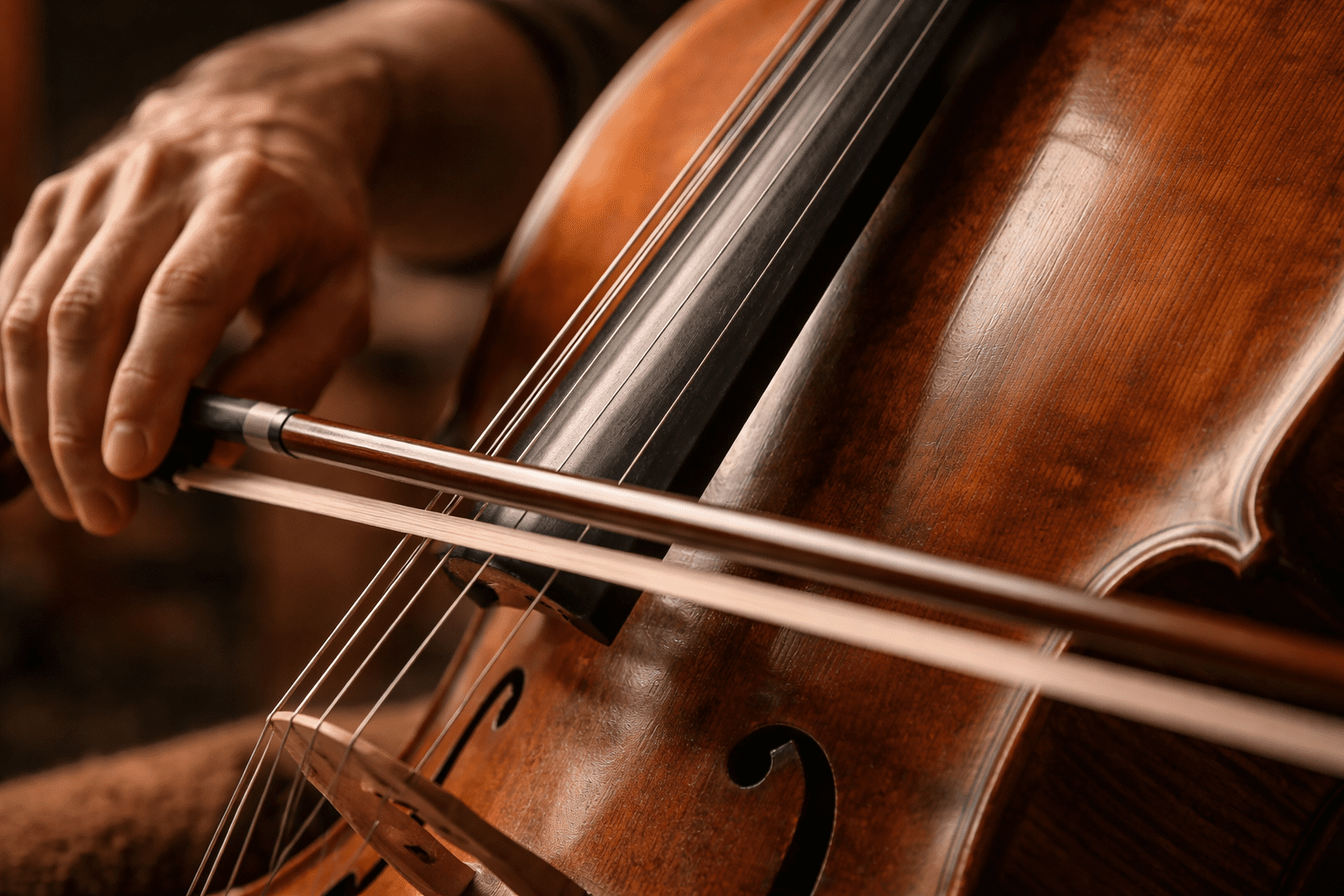
If you walk into a top-tier studio in 2026, you won’t see computer screens. The Non-AI Music Movement 2026 has brought back massive analog consoles and reel-to-reel tape.
Producers within the Non-AI Music Movement 2026 are realizing that the “air” between instruments creates a 3D soundscape that AI plugins struggle to replicate. This “Analog Renaissance” is a core pillar of the Non-AI Music Movement 2026, making vintage gear more valuable than supercomputers.
5. Live Performance: The Last Bastion of Truth
The ultimate battleground for concert stage. In 2025, AI hologram tours failed because they were repetitive.
Today, the “No-Screen” concert is the trending news. The Non-AI Music Movement 2026 has created “Digital-Free Zones” where phones are banned. Every sound heard in a Non-AI Music Movement 2026 concert is generated in real-time by humans. The risk of a wrong note is what makes the ticket worth $500.
6. The Rise of “Sonic Terroir”
In 2026, we discuss “Sonic Terroir”—the sound of a specific room. The Non-AI Music Movement 2026 celebrates recordings made in real environments. Unlike AI music, which is “placeless,” the Non-AI Music Movement 2026 carries the DNA of its environment.
The hum of an amp or the chirping of a bird in a Non-AI Music Movement 2026 track acts as a “certificate of reality.” It proves that a human was present in a physical space.
7. Education: The Return of the Virtuoso
For a while, it seemed like learning an instrument was a dead art. But the Non-AI Music Movement 2026 has reversed this trend. Music schools are seeing record enrollments.
Young people joining the Non-AI Music Movement understand that being a “Virtuoso” is a superpower. While AI can replace a “producer,” the Non-AI Music Movement 2026 proves it can never replace a “performer.”
8. Global Impact and Industry Standards
International bodies like the International Federation of the Phonographic Industry (IFPI) are debating new labeling laws.
This will ensure that session musicians are paid higher rates than AI-synthesized voices. The ethics of the Non-AI Music Movement 2026 will define the industry for decades.
9. Mixing and Mastering in the Human Era
Engineers are leaving “Dynamic Range” as a status symbol.
The Non-AI Music Movement 2026 requires a human ear to balance the emotional flow of a song. AI Mastering bots cannot grasp the nuances that the Non-AI Music Movement 2026 demands.
10. Conclusion: Reclaiming the Soul
it is a declaration of human value. We have learned that while a machine can summarize music history, it cannot feel the heartbreak that creates a masterpiece.
As the Non-AI Music Movement 2026 continues to grow, the divide will be clear: there will be “AI Products” and there will be “Human Music.” It has ensured that the soul of the industry is here to stay.