
For over 50 years, stereo has been the standard. Two speakers, left and right. But as we move into 2026, that standard is being shattered. Immersive Audio for Musicians is no longer a luxury reserved for big-budget film scores; it is the new frontier for independent artists. Whether it’s Dolby Atmos, Sony 360 Reality Audio, or Apple Spatial Audio, the goal is the same: to place the listener inside the music.
In this guide, we will break down the 5 game-changing trends in Immersive Audio for Musicians and how you can use this technology to create a deeper emotional connection with your audience.
1. The Death of Stereo: Why Immersive is the New Standard
The transition to Immersive Audio for Musicians is as significant as the move from Mono to Stereo. In 2026, streaming platforms like Apple Music and Amazon Music prioritize spatial tracks in their algorithms.
-
Object-Based Audio: Unlike stereo, which blends sounds into two channels, immersive audio treats every instrument as an “object” that can be moved anywhere in a 3D space—above, behind, or even below the listener.
-
Emotional Impact: When a vocal feels like it’s whispering in your ear while the drums surround you, the physical and emotional response is 10x stronger than traditional stereo.
2. Dolby Atmos for Independent Home Studios
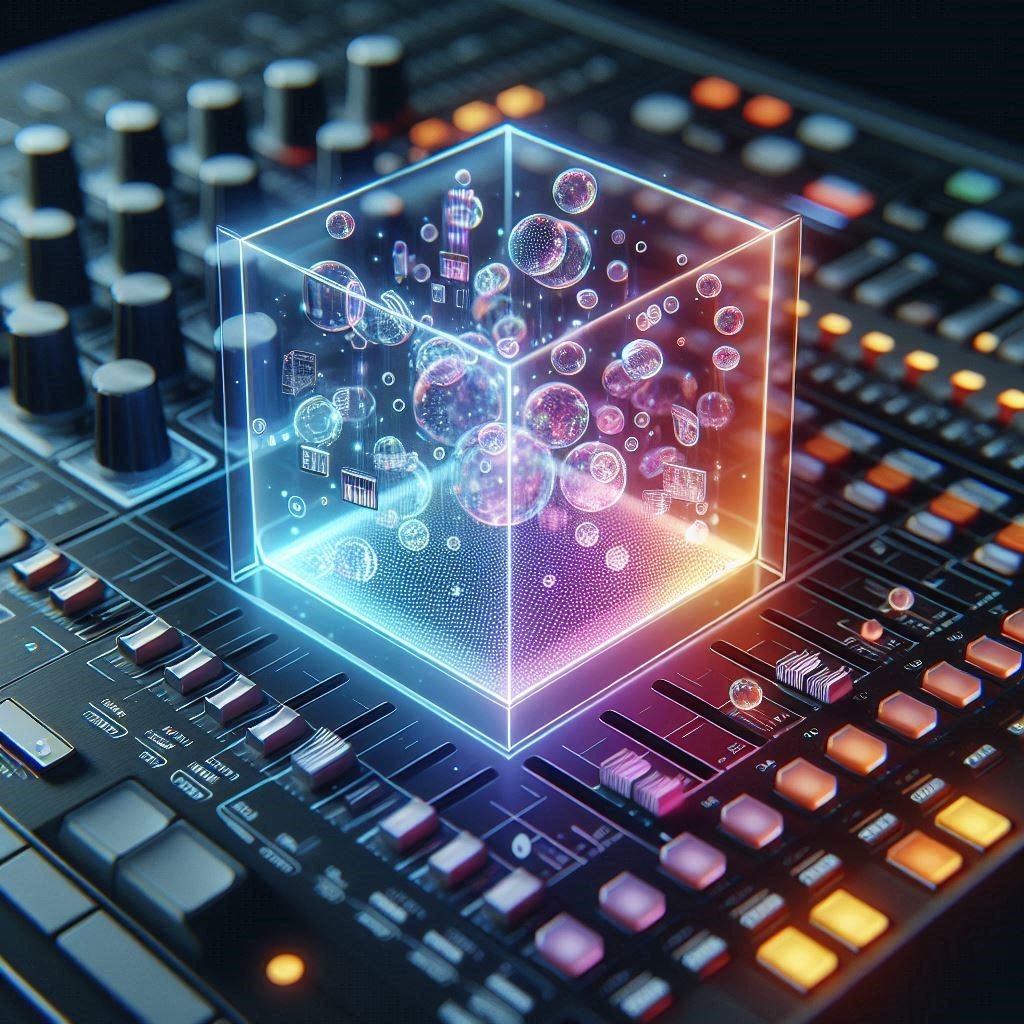
One of the biggest breakthroughs in Immersive Audio for Musicians is accessibility. You no longer need a room with 12 expensive speakers to mix in Atmos.
-
Binaural Rendering: Modern DAWs allow you to mix 3D audio using just a pair of high-quality headphones. This “Binaural” technology simulates how our ears hear sound in the real world.
-
Affordable Plugins: Tools from Waves, Dear Reality, and Dolby itself have made it possible for a bedroom producer to export professional-grade spatial mixes.
To ensure your songwriting fits this 3D space, check our Best AI Songwriting Tools guide for 2026.
3. The Rise of “Interactive” Mixing
In 2026, Immersive Audio for Musicians is becoming interactive. We are moving toward a world where the listener can choose how they hear your song.
-
User-Controlled Perspective: Imagine a mobile app where the fan can “zoom in” on the guitar solo or move themselves closer to the virtual stage.
-
Gamified Music: With the integration of music into VR/AR platforms, the audio engine changes based on where the listener moves their head. This is the ultimate expression of Immersive Audio for Musicians.
4. Spatial Audio for Social Media and Short-Form Content
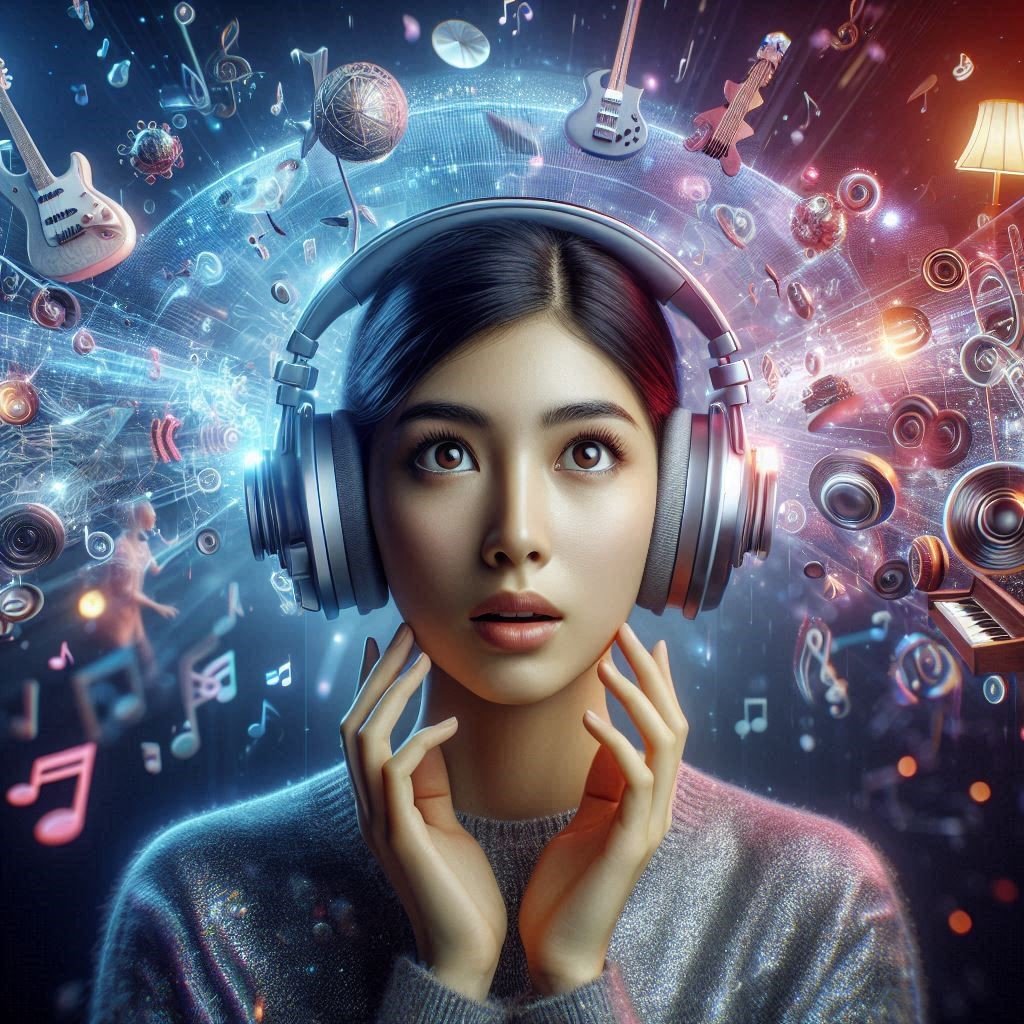
TikTok and Instagram are starting to support basic spatial audio features. For an artist, this is a massive branding opportunity.
-
Scroll-Stopping Sound: Using Immersive Audio for Musicians in your Reels can literally make a listener stop scrolling because the sound feels “different” and more “alive” than the thousands of stereo videos they’ve just passed.
-
Viral Potential: 3D audio “challenges” where listeners are asked to wear headphones to hear a hidden sound are becoming a proven way to go viral in 2026.
To build a brand around this high-tech sound, follow our AI Visual Branding for Musicians guide.
5. New Revenue Streams: Mastering and Upselling 3D Audio
Immersive Audio for Musicians isn’t just a creative choice; it’s a business strategy.
-
Premium Tiers: Fans are willing to pay more for “High-Definition 3D Experiences.” You can sell “Immersive Bundles” on Web3 platforms or through your own website.
-
Sync Licensing: Film and TV editors in 2026 almost exclusively look for tracks that are already mixed in Atmos. By having an immersive mix ready, you double your chances of landing a high-paying sync deal.
Use our Music AI Analytics Tools to see which regions are consuming the most spatial audio content.
6. Technical Hardware: The 2026 Gear Guide
To master Immersive Audio for Musicians, you need the right tools. While you can start with headphones, these are the 2026 essentials:
-
Head Trackers: Small devices that clip onto your headphones to adjust the 3D mix as you move your head.
-
Haptic Suits: For live performances, haptic technology allows fans to “feel” the spatial movements of the bass and sub-frequencies.
-
AI Mixing Assistants: New AI plugins can take your stereo stem and automatically suggest a 3D “Spatial Map” based on genre standards.
For a deep dive into the physics of sound, visit Dolby’s Official Professional Site for technical whitepapers.
7. How to Prepare Your Next Release for 3D Sound
If you want to stay ahead, follow this Immersive Audio for Musicians workflow:
5 Best AI Songwriting Tools 2026: The Ultimate Creative Guide
-
Record Clean: High-quality, dry recordings work best for spatial placement.
-
Think in 3D: While writing, decide which elements should be “static” and which should “move.”
-
Hire a Spatial Specialist: If you can’t mix it yourself, find an engineer who specializes in Atmos to ensure your translation is perfect across all devices.
Conclusion: The Future is All Around You
Immersive Audio for Musicians is the most exciting technological shift in decades. It gives you a bigger canvas to paint your emotions and provides your fans with an experience they can’t get anywhere else. In 2026, don’t just ask your fans to listen to your music—invite them to live inside it.
Are you ready to break the stereo barrier? The 3D revolution is waiting for your sound.