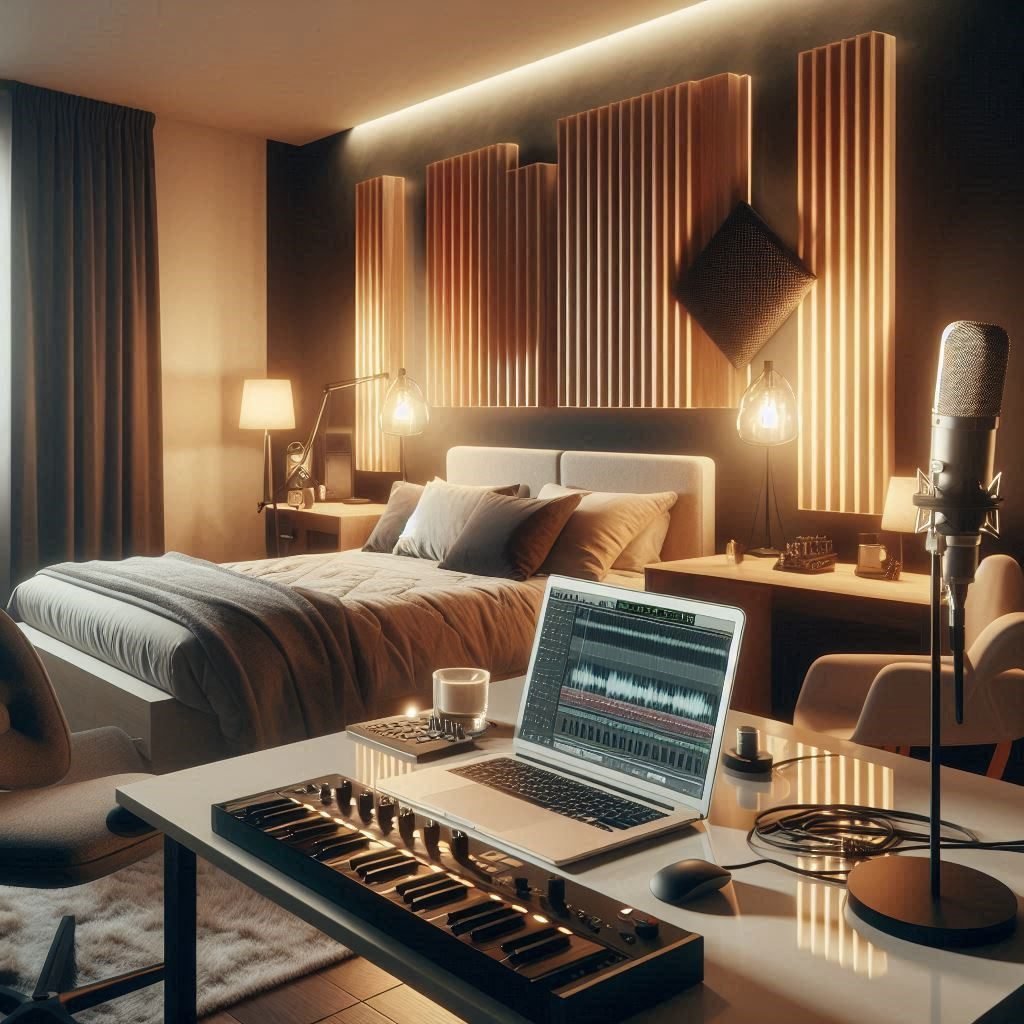
How to set up a home recording studio on a budget is the ultimate dream for many independent artists, DJs, and podcasters in 2026. Long gone are the days when you needed to rent an expensive professional facility to get a “radio-ready” sound. Today, with just a few clever choices and a modest investment, you can produce world-class hits from the comfort of your own bedroom.
In this complete guide, we will walk you through the essential steps and gear needed to fulfill your dream of learning how to set up a home recording studio on a budget. Whether you are starting from zero or looking to upgrade your current workspace, these 10 amazing steps will ensure you get the best value for every dollar spent.
Future of AI Music Technology: 10 Mind-Blowing Trends Reshaping Sound in 2026
1. Define Your Goals and Budget
Before buying a single piece of equipment, you must decide what kind of music you intend to make. If you are a singer-songwriter, your focus will be on microphones. If you are an EDM producer, you might prioritize a MIDI controller and high-quality headphones.
When planning how to set up a home recording studio on a budget, setting a realistic price limit is crucial. For a basic entry-level setup in 2026, you can expect to spend anywhere between $300 and $700 for a fully functional environment.
2. Selecting the Perfect Space
The room you choose is as much a part of your gear as the microphone. Square rooms with bare walls are your worst enemy because they create echoes.
-
Acoustic Tip: Choose a room with carpets, curtains, or bookshelves. These items act as natural sound diffusers.
-
The Bedroom Studio: Most beginners start in their bedroom. This is perfectly fine, provided you can control the background noise from fans or traffic.
3. The Central Brain: Your Computer
Your computer runs your Digital Audio Workstation (DAW). While a high-end Mac is great, many affordable Windows laptops can handle the job.
Future of AI Vocals: 7 Revolutionary Trends and Ethical Guides for 2026
-
Minimum Specs for 2026: You need at least 16GB of RAM and an SSD (Solid State Drive). Music production involves large files, and an SSD ensures that your software doesn’t lag during a recording session. This is a core part of how to set up a home recording studio on a budget.
Check out the latest [Focusrite Audio Interfaces] for reliable budget-friendly hardware.
4. Choosing the Best DAW (Software)
The DAW is where the magic happens. Many people think they need expensive software, but that is not true.
-
Free/Affordable Options:
-
Cakewalk by BandLab: Completely free and professional.
-
Reaper: Only $60 and highly customizable.
-
GarageBand: Free for every Mac user.
Choosing the right software is the most cost-effective step in how to set up a home recording studio on a budget.
-
5. The Audio Interface: The Sound Converter
An audio interface is a box that plugs into your computer to connect your microphone and instruments.
-
Budget Picks: Look for the Behringer U-Phoria series or the Focusrite Scarlett Solo.
-
Functionality: Ensure it has “Phantom Power” (48V) to power your condenser microphones. Without this, your professional mic won’t work.
6. Selecting a Versatile Microphone
For a budget studio, you want one mic that can do everything. A Large Diaphragm Condenser microphone is usually the best choice.
-
Top Budget Microphone: The Audio-Technica AT2020 or the AKG P120.
-
Pro Tip: If your room is very noisy (near a busy street), consider a Dynamic mic like the Shure SM58. It captures less background noise while still sounding great on vocals. This is a secret hack in how to set up a home recording studio on a budget.
7. Studio Headphones vs. Monitors
In a budget setup, headphones are usually better than speakers. Why? Because speakers require your room to be perfectly treated with expensive foam.
-
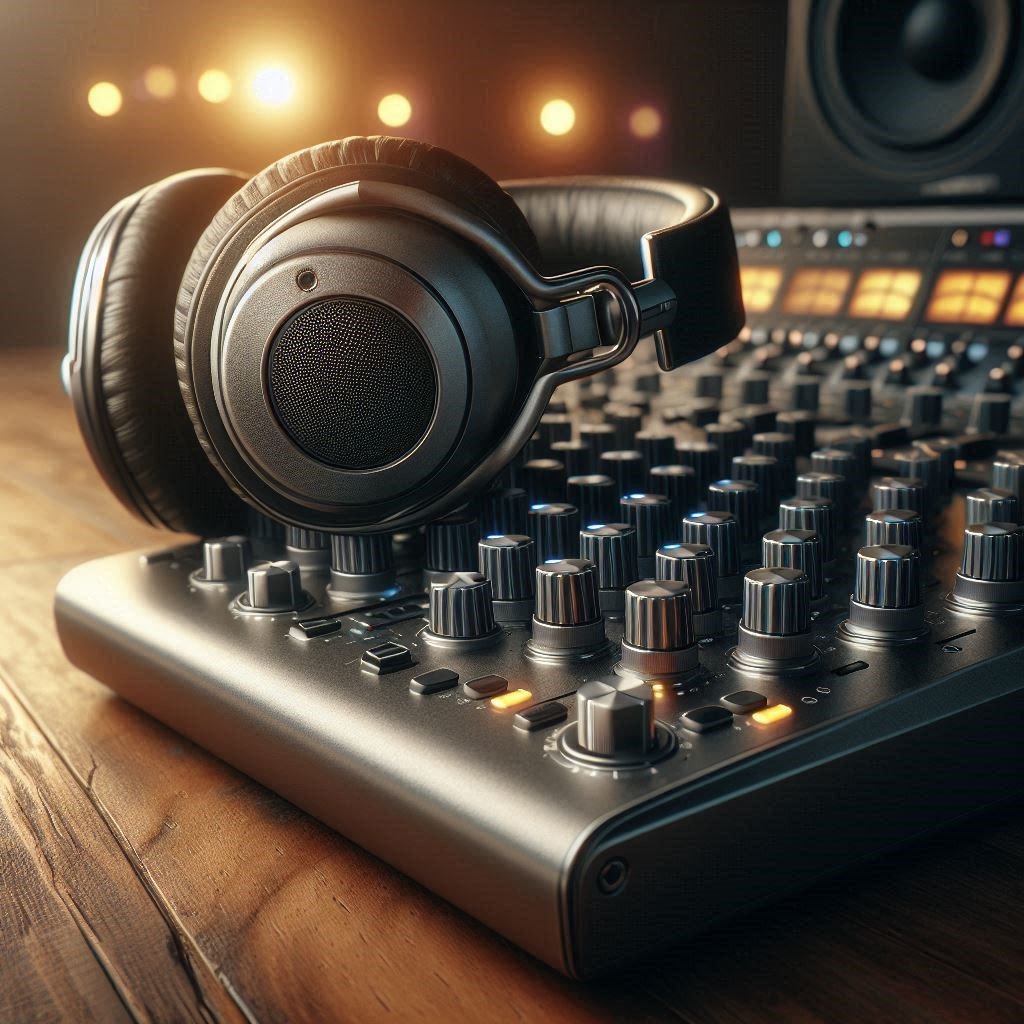
Headphones: Go for “Open-Back” headphones like the Beyerdynamic DT 990 Pro for mixing. They provide a flat frequency response, meaning you hear the music exactly as it is, not “colored” by bass boost.
8. DIY Acoustic Treatment
Acoustic treatment is where most people fail when learning how to set up a home recording studio on a budget. You don’t need to spend thousands on foam panels.
-
The Blanket Method: Hanging thick blankets on the walls behind your microphone can significantly reduce room reverb.
-
Corner Bass Traps: Piling up old pillows or cushions in the corners of your room can help absorb “muddy” low-end frequencies.
9. Essential Cables and Accessories
Don’t let cheap cables ruin your sound.
-
XLR Cables: Buy a decent mid-range XLR cable to connect your mic. Cheap ones often create a “humming” sound in your recordings.
-
Mic Stands & Pop Filters: A pop filter is mandatory for vocal recording. It stops the air blasts from “P” and “B” sounds from distorting the mic.
10. Wiring and Workflow Setup
Once you have the gear, organization is key. Keep your cables tidy and your desk clear.
-
Latency Settings: In your DAW, set your buffer size low (128 or 256) when recording to avoid delay, and high (1024) when mixing to save CPU power. This technical step is vital for how to set up a home recording studio on a budget.
Bonus: Improving Your Skills
Remember, gear is only 20% of the equation; your skill is 80%. Spend time watching tutorials on EQ and Compression. In 2026, many AI tools can help you master your tracks for free, which fits perfectly with the theme of how to set up a home recording studio on a budget.
Common Mistakes to Avoid
Many beginners waste money on things they don’t need.
-
Buying too many plugins: Stick to the stock plugins in your DAW first.
-
Ignoring the room: Spending $1000 on a mic in a room with an echo is a waste.
-
Not backing up: Always save your projects on an external hard drive or cloud storage.
The Future of Budget Studios in 2026
As technology evolves, the line between “budget” and “pro” is blurring. Mobile recording apps and cloud-based DAWs are making it even easier to learn how to set up a home recording studio on a budget. The most important thing is to start now.
Conclusion
Setting up your own workspace is an incredibly rewarding experience. By following these 10 amazing steps on how to set up a home recording studio on a budget, you are setting yourself up for success without financial stress. Focus on your room, get a reliable interface, and most importantly, practice your craft every single day. The world is waiting for your music!
1 thought on “How to Set Up a Home Recording Studio on a Budget: 10 Amazing Steps”