
The human voice has always been the “soul” of music. For centuries, it was the one element that couldn’t be synthesized—until now. As we enter 2026, the Future of AI Vocals is no longer a distant sci-fi concept; it is a daily reality in recording studios across the globe. From “Digital Voice Twins” to instant multilingual translation, AI is expanding the boundaries of what the human voice can achieve.
However, with great power comes great responsibility. In this guide, we explore 7 revolutionary trends shaping the Future of AI Vocals and the critical ethical frameworks that will protect artists in this new digital frontier.
1. The Birth of the “Vocal Twin” (Voice Cloning)
The most significant trend in the Future of AI Vocals is the rise of the Digital Vocal Twin. Artists are now “cloning” their own voices to create high-fidelity AI models.
-
Infinite Productivity: An artist can now “sing” on ten different tracks simultaneously without ever stepping into a booth.
-
Creative Freedom: You can push your voice beyond its physical limits, hitting notes or sustaining breaths that are humanly impossible, while still retaining your unique “Sonic DNA.”
2. Multilingual Mastery: Breaking the Language Barrier
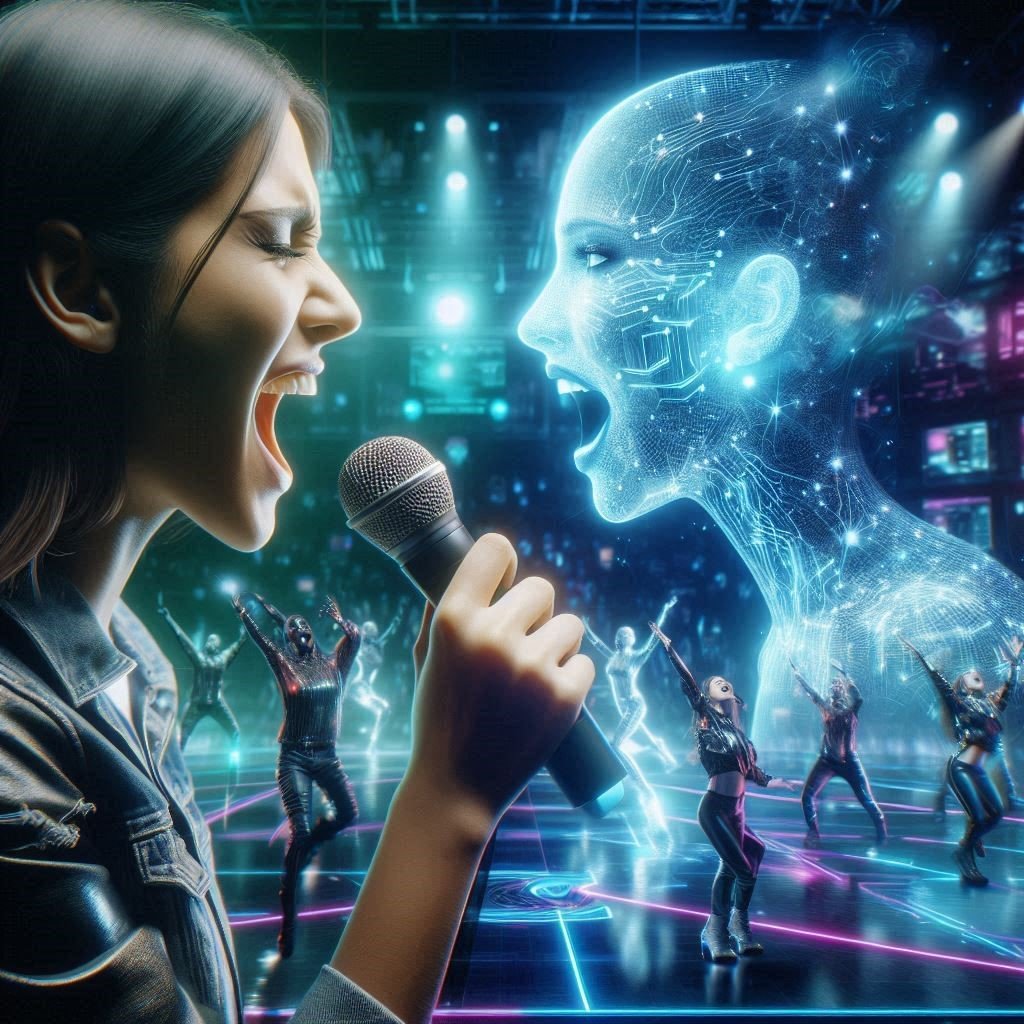
In 2026, music is truly a universal language. One of the most powerful features in the Future of AI Vocals is the ability to translate a performance while keeping the original singer’s tone, emotion, and timbre.
-
Cross-Border Hits: An indie artist in Mumbai can release their song in Spanish, Japanese, and French, with the AI ensuring that the “Voice” sounds exactly like them in every language.
-
Global Branding: This allows for a deeper connection with international audiences, as fans can hear the artist “singing” in their native tongue.
To market these multilingual hits to a global audience, check our AI Music Marketing Guide for 2026.
3. Legacy Preservation and the “Eternal Artist”
The Future of AI Vocals is allowing us to hear “new” music from legends who are no longer with us.
-
Authorized Revivals: Using AI, estates can now complete unfinished demos left behind by deceased artists.
-
The Ethical Bridge: This trend is only successful when done with the full consent of the estate and transparency for the fans. It raises the question: “Does a voice ever truly die?”
4. AI Ghostwriters and Reference Singers
Before a big star records a hit, they usually listen to a “demo singer.” The Future of AI Vocals has replaced this process with instant AI reference tracks.
-
Songwriter Power: Songwriters can now pitch their songs to major artists using an AI model that sounds like the star they are pitching to.
-
Drafting Emotions: Producers use AI to test different vocal melodies and “vibes” before the human singer even arrives at the studio.
To write better songs for your AI models, explore our guide on the Best AI Songwriting Tools here.
5. Real-Time Vocal Transformation in Live Performance
Live shows are being transformed by the Future of AI Vocals. Artists are now using real-time AI plugins to morph their voice during a concert.
-
Character Singing: A single performer can switch between a deep baritone, a soulful soprano, and a robotic glitch voice instantly during a set.
-
Perfect Pitch & Emotion: Beyond simple auto-tune, AI can now adjust the “emotional weight” of a live vocal, ensuring the performance is always at its peak.
To create visuals that match these transformed vocals, see our AI Visual Branding for Musicians guide.
6. The Ethics of Consent: Protecting the Human Artist
We cannot talk about the Future of AI Vocals without addressing the “Elephant in the Room”: Theft.
-
The NIL Rights: Name, Image, and Likeness (NIL) rights are being updated globally in 2026 to include “Voice DNA.”
-
Anti-Piracy: New “Watermarking” technology is being embedded into AI voices. If an unauthorized clone is used, the system can instantly identify it and take it down from streaming platforms.
7. Licensed Voice Models: A New Revenue Stream
For the savvy artist, the Future of AI Vocals offers a massive new way to make money.
-
Voice Licensing: Artists are now “renting” their AI voice models to other producers.
-
Passive Income: If a producer uses your licensed AI voice on their track, a Smart Contract (Web3) automatically sends you a percentage of the royalties.
Learn how to manage these decentralized royalties in our Web3 Music Fan Ownership guide.
8. How to Navigate the Future of AI Vocals Safely
To be a leader in 2026, you must follow these rules of engagement:
-
Own Your Model: Never upload your high-quality vocal stems to a platform that doesn’t grant you 100% ownership.
-
Be Transparent: Always label AI-assisted vocals. Fans appreciate honesty more than perfection.
-
Hybrid Approach: Use AI for the “Heavy Lifting” (harmonies, backing vocals, translations), but keep the Lead Vocal 100% human to maintain that emotional spark.
Stay updated on the latest AI laws by visiting the Human Artistry Campaign, which fights for artist rights in the age of AI.
Conclusion: The Human Soul in a Digital Voice
The Future of AI Vocals is not about replacing singers; it is about giving them a bigger, more versatile instrument. By embracing these 7 trends while standing firm on ethical grounds, you can reach audiences you never thought possible. The voice of 2026 is part human, part machine, and 100% creative.
The mic is open. What will your digital twin say?
1 thought on “Future of AI Vocals: 7 Revolutionary Trends and Ethical Guides for 2026”