The gaming industry has always been at the cutting edge of technology, but in 2026, the biggest revolution isn’t just in the graphics—it’s in the ears of the player. Adaptive audio for gaming has moved from a luxury feature to a fundamental requirement for immersive experiences. As players demand more realism in Open World, VR, and Metaverse environments, static background music is becoming a thing of the past.
How to Earn Money from Spotify: 7 Proven Ways in 2026!
In this guide, we will explore how artificial intelligence is driving the evolution of adaptive audio for gaming and how you can position yourself at the center of this high-revenue industry.
1. What is Adaptive Audio for Gaming?
To understand the future, we must define the technology. Unlike traditional soundtracks that play on a loop, adaptive audio for gaming reacts in real-time to the player’s actions. If a player enters a dark cave, the music becomes tense and reverbed. If they engage in a high-speed chase, the tempo increases seamlessly.
By 2026, AI has enabled “Procedural Audio,” where the music is not just pre-recorded but actually composed by an AI engine on the fly based on the game’s data.
2. The Role of AI in Dynamic Soundscapes
AI is the brain behind modern adaptive audio for gaming. Traditional “branching” music (where one track fades into another) often feels clunky.
-
Generative Engines: Tools now allow developers to set “emotional parameters” (e.g., 70% tension, 30% mystery). The AI then generates an infinite stream of music that never repeats.
-
Real-time Mixing: AI can now analyze the game’s audio mix and automatically lower the music volume when a character speaks or an explosion happens, ensuring perfect clarity without manual “ducking” by a sound engineer.
If you are interested in creating the assets for these games, read our guide on how to sell AI-generated sound kits.
3. Top Tools for Creating Adaptive Audio in 2026
If you want to enter this field, you need to master the software that bridges the gap between music and code.
-
Wwise & FMOD (with AI Plugins): These are the industry-standard audio middleware. In 2026, they feature deep AI integration that allows for “Reactive Synth” patches.
-
Melodrive: A leading AI engine specifically designed for adaptive audio for gaming. It creates real-time music that changes based on the “state” of the game.
-
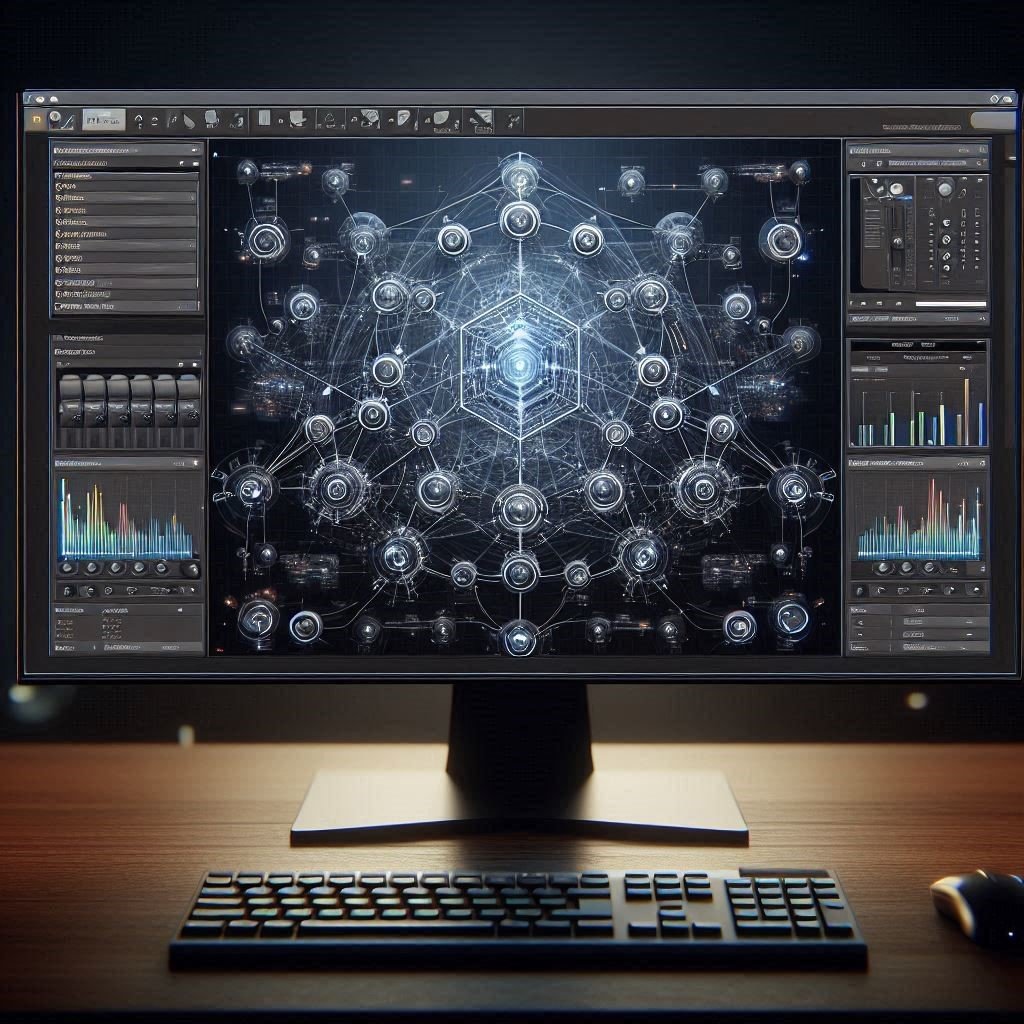
AudioNodes: A modular environment for creating complex, non-linear audio flows that are perfect for indie game developers.
4. Why This is a High-Revenue Niche
The reason adaptive audio for gaming is so profitable is the “Skill Gap.” There are millions of music producers, but very few understand how to implement music into a game engine like Unreal Engine 5 or Unity.
-
High Freelance Rates: An “Adaptive Audio Designer” can command 3x the hourly rate of a standard background music composer.
-
Licensing Revenue: Game studios pay premium prices for “Dynamic Music Packs” that can be easily integrated into their procedural worlds.
Discover other high-paying niches in our Ultimate Guide to Making Money with AI Music.
5. How to Start a Career in Gaming Audio
To succeed in the world of adaptive audio for gaming, follow this roadmap:
-
Learn a DAW + Middleware: Don’t just learn how to make beats; learn how those beats can be broken into “stems” and triggered by game events.
-
Build a “Vertical Slice” Portfolio: Create a 2-minute video of a game (you can use free assets) and record yourself showing how the music changes as you move the character.
-
Network on LinkedIn and itch.io: Connect with indie game developers who need sophisticated audio but don’t have the budget for a 50-person sound team.
6. Future Trends: VR, AR, and the Metaverse

The real power of adaptive audio for gaming will be seen in the Metaverse. In a 3D virtual world, sound must be “Spatial.”
-
Binaural AI Audio: AI now simulates how human ears perceive sound in a 360-degree space.
-
User-Generated Content (UGC): In platforms like Roblox or Fortnite Creative, AI tools are allowing players to “prompt” their own adaptive soundtracks, opening up a new market for AI Audio Engineers to create the “Engines” these players use.
Check the Epic Games Audio Documentation to see the technical side of game sound.
7. The Ethical and Legal Landscape
When creating adaptive audio for gaming using AI, copyright becomes interesting.
-
Who owns the procedural music? Generally, the person who designed the “Logic” and “Prompts” owns the output, but it’s essential to have clear contracts when working with game studios.
-
AdSense and Content ID: Since the music is procedural and infinite, it’s nearly impossible to “Copyright Strike” a live stream of a game using adaptive audio, making it very “Streamer-Friendly.”
Conclusion: The Era of Living Sound
We are moving away from “Listening to Music” and toward “Experiencing Sound.” Adaptive audio for gaming is the bridge to that future. For the creators at djrmmusic.com, this represents the ultimate frontier. By mastering these tools today, you aren’t just making music—you are building the emotional heartbeat of the next generation of digital worlds.