jigsvanani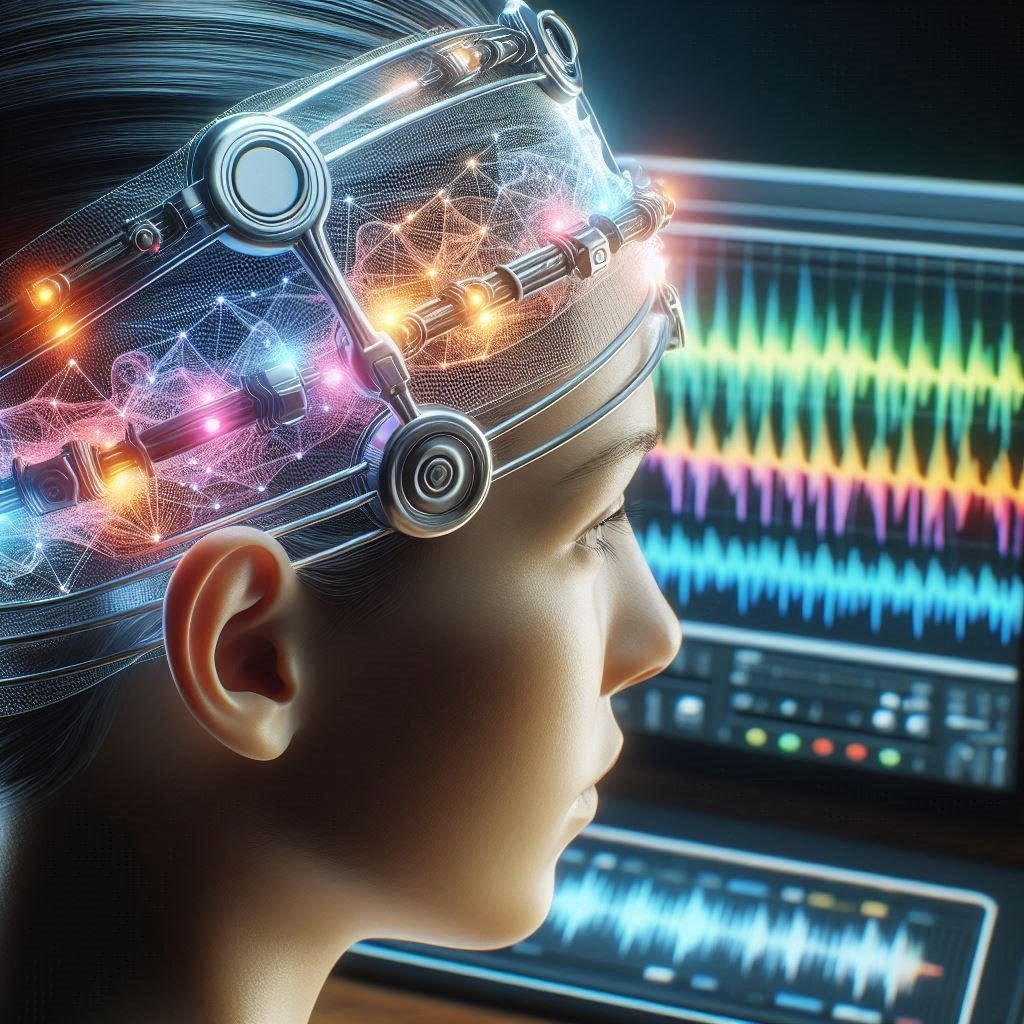
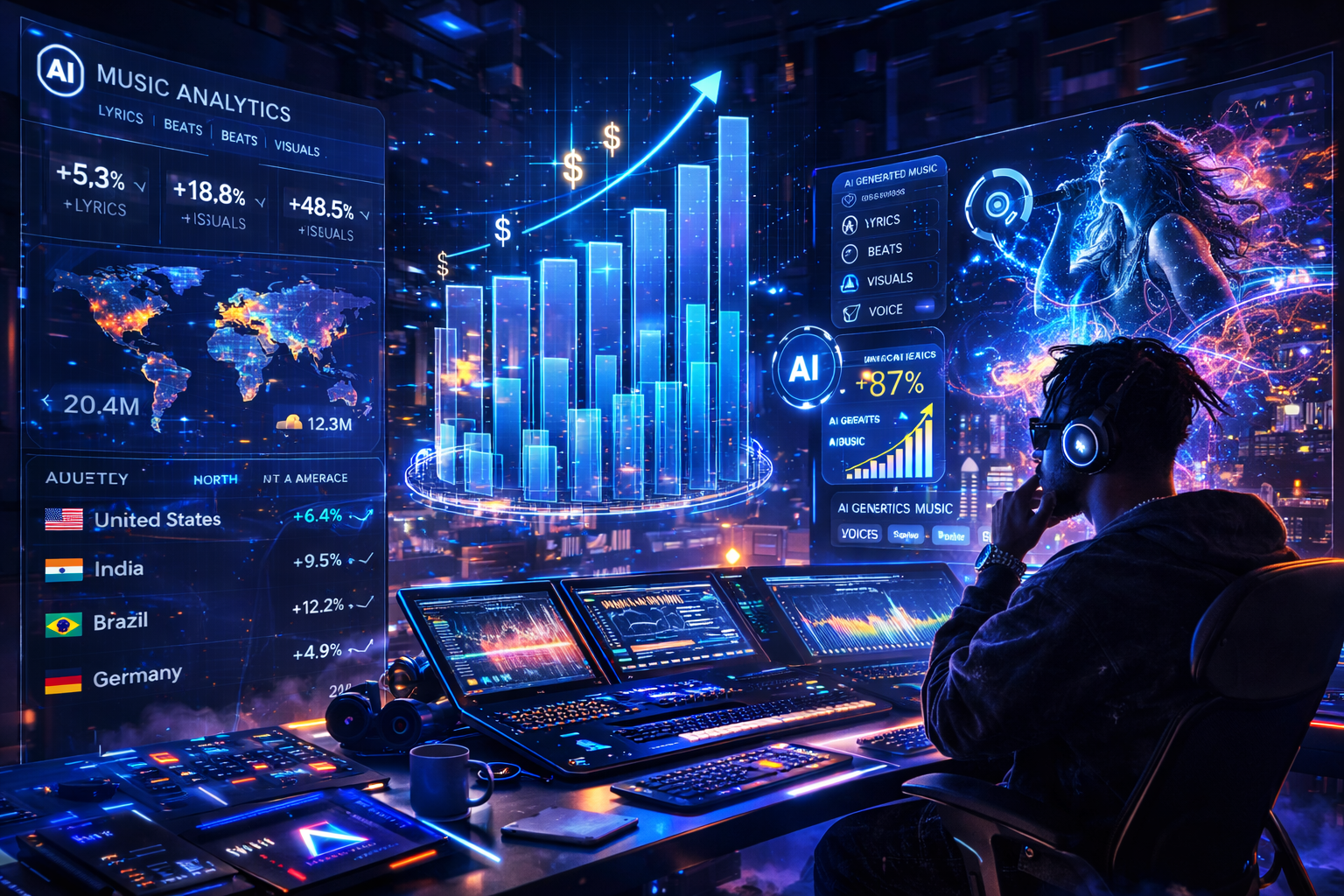
We are currently standing at the threshold of a new sonic era. If 2024 was about the introduction of basic AI tools, then 2026 is about the total integration of technology and human creativity. Future Music Technology 2026 is not just making music easier to produce; it is fundamentally changing how we perceive, create, and monetize sound.
From virtual reality concert halls to music created directly by human brainwaves, the boundaries are dissolving. This comprehensive guide explores the 7 disruptive trends in Future Music Technology 2026 that every artist, producer, and fan needs to know to stay ahead of the curve.
1. The Rise of Autonomous Creative Partners
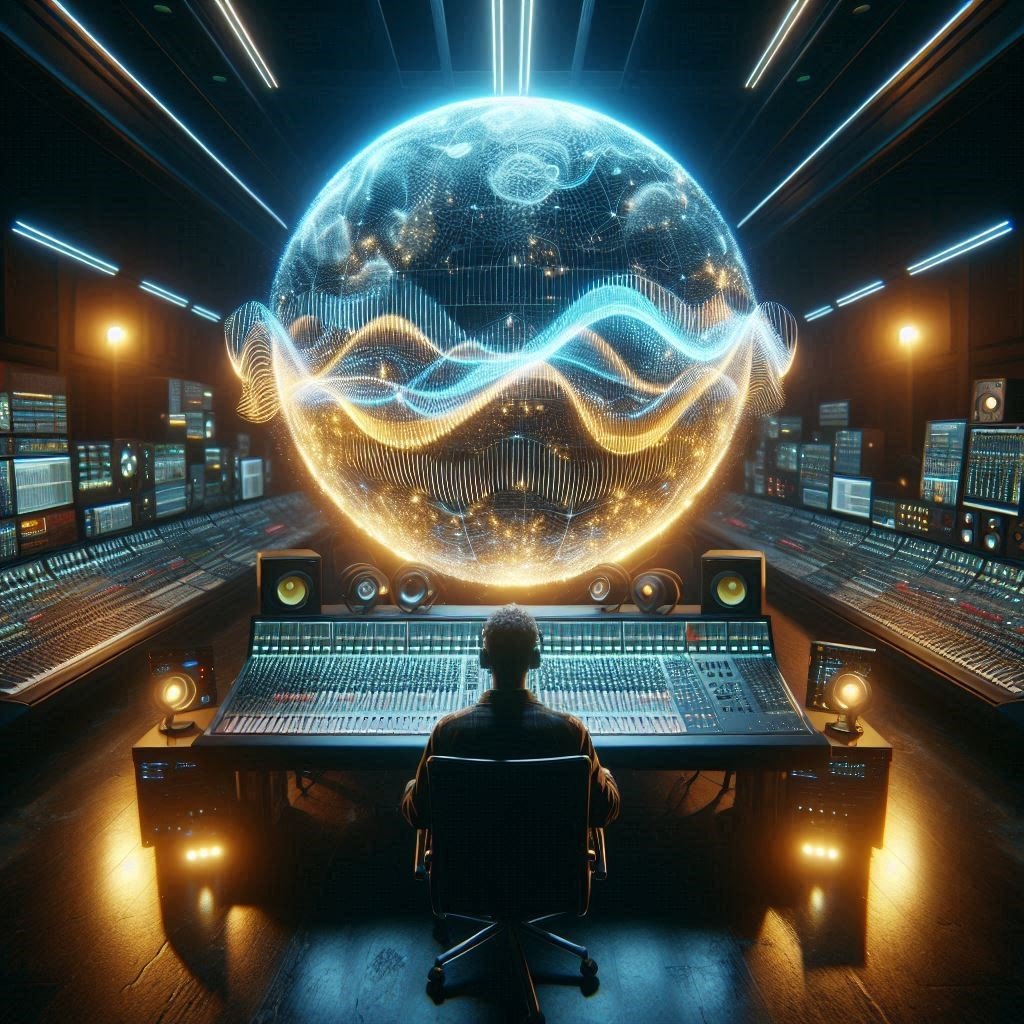
The first major shift in Future Music Technology 2026 is the evolution of AI from a “tool” to an “autonomous partner.” We are moving past simple generative models into AI systems that understand “Creative Intent.”
-
Real-Time Collaboration: Imagine a digital plugin that learns your playing style and improvises a harmony in real-time during a live performance.
-
Contextual Awareness: AI now understands the emotional context of a scene in a movie and can automatically generate a matching score that shifts as the actors’ expressions change.
2. The Metaverse and Virtual Performance Spaces
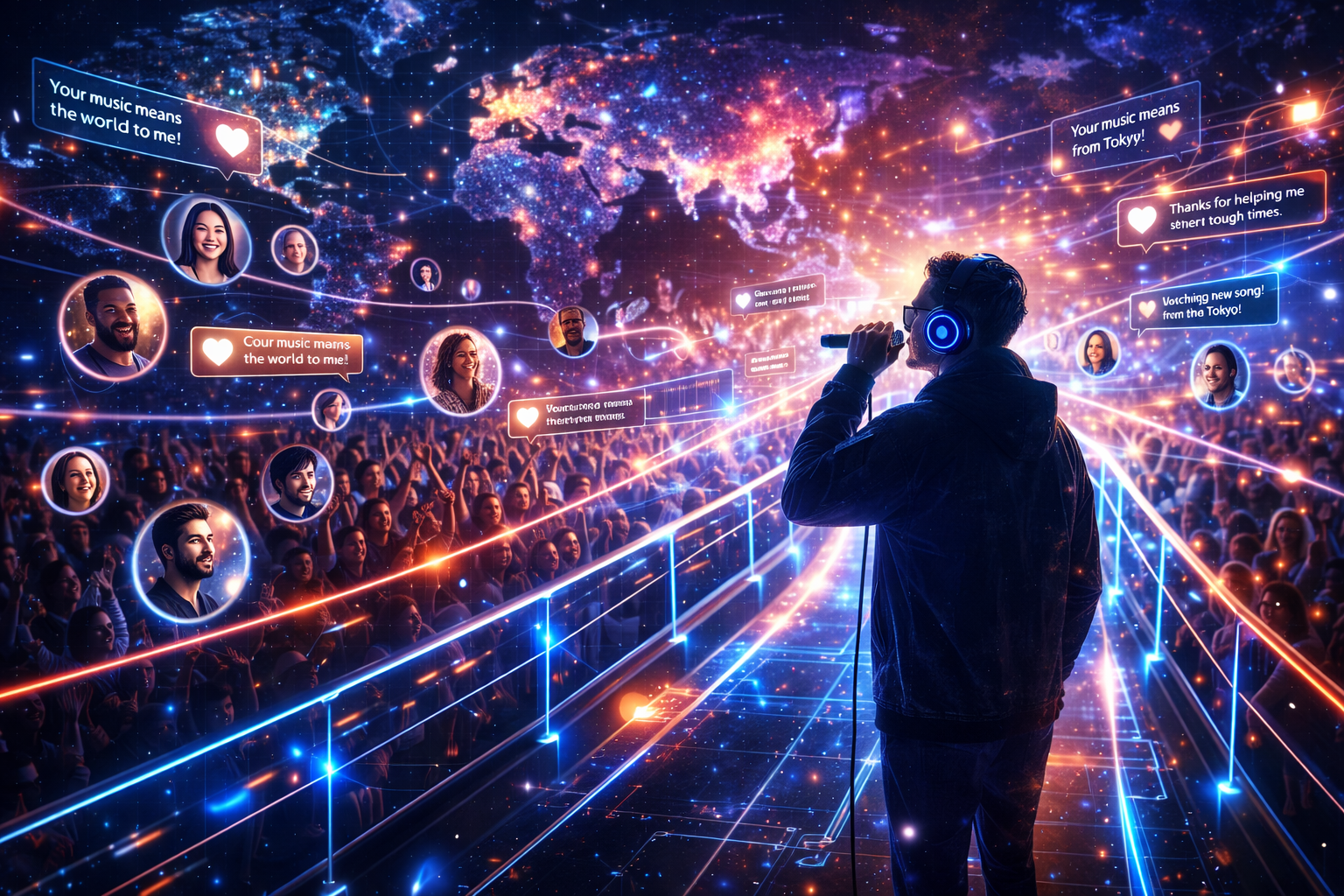
The concept of a “Tour” is being redefined. In the world of Future Music Technology 2026, geographical location is no longer a barrier to global stardom.
-
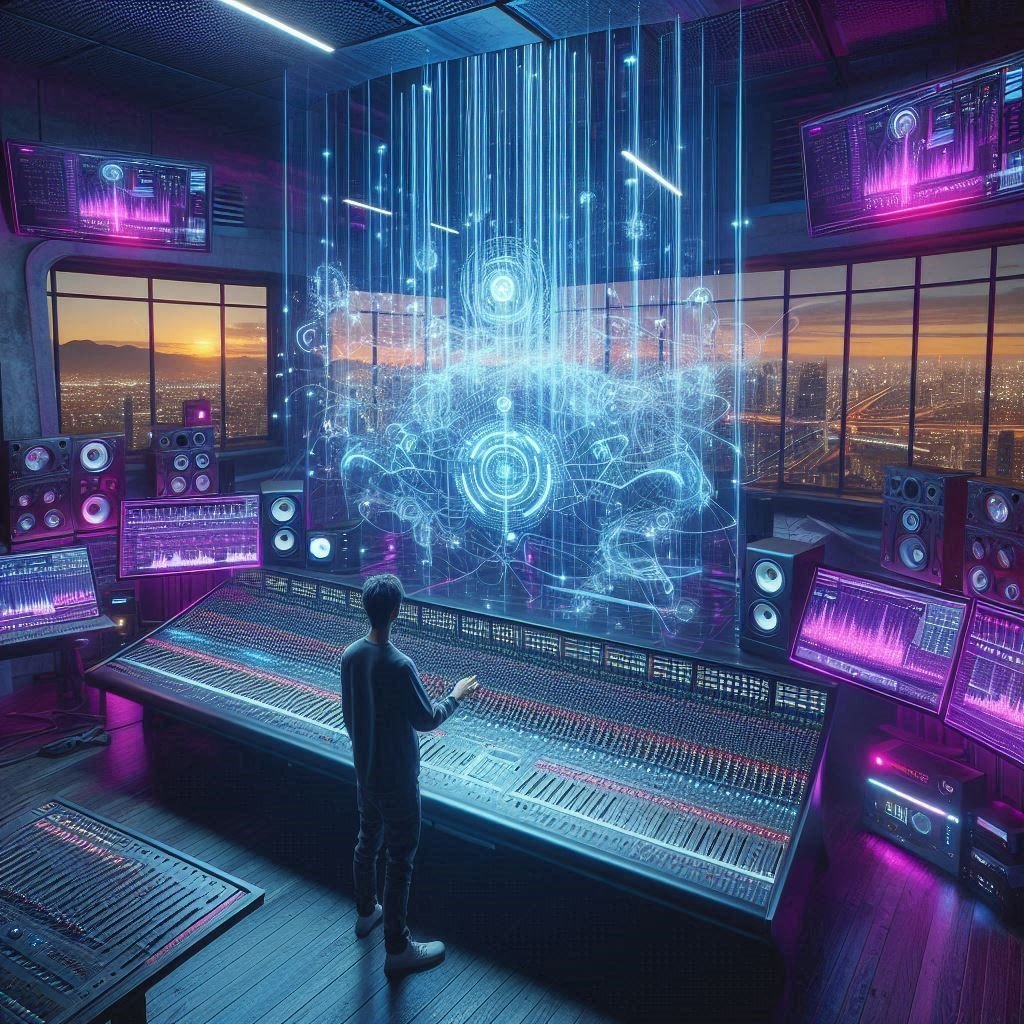
Immersive Concerts: Platforms like Fortnite and Roblox were just the beginning. 2026 brings hyper-realistic, VR-driven concert halls where fans feel the vibration of the bass and the presence of other fans through haptic suits.
-
Persistent Artist Worlds: Artists now build permanent “Digital Domains” where fans can hang out, buy virtual merch, and listen to exclusive 24/7 AI-generated ambient sets tailored to their mood.
To market these virtual events effectively, check our AI Music Marketing Guide for the latest 2026 strategies.
3. Brain-Computer Interfaces (BCI) in Music
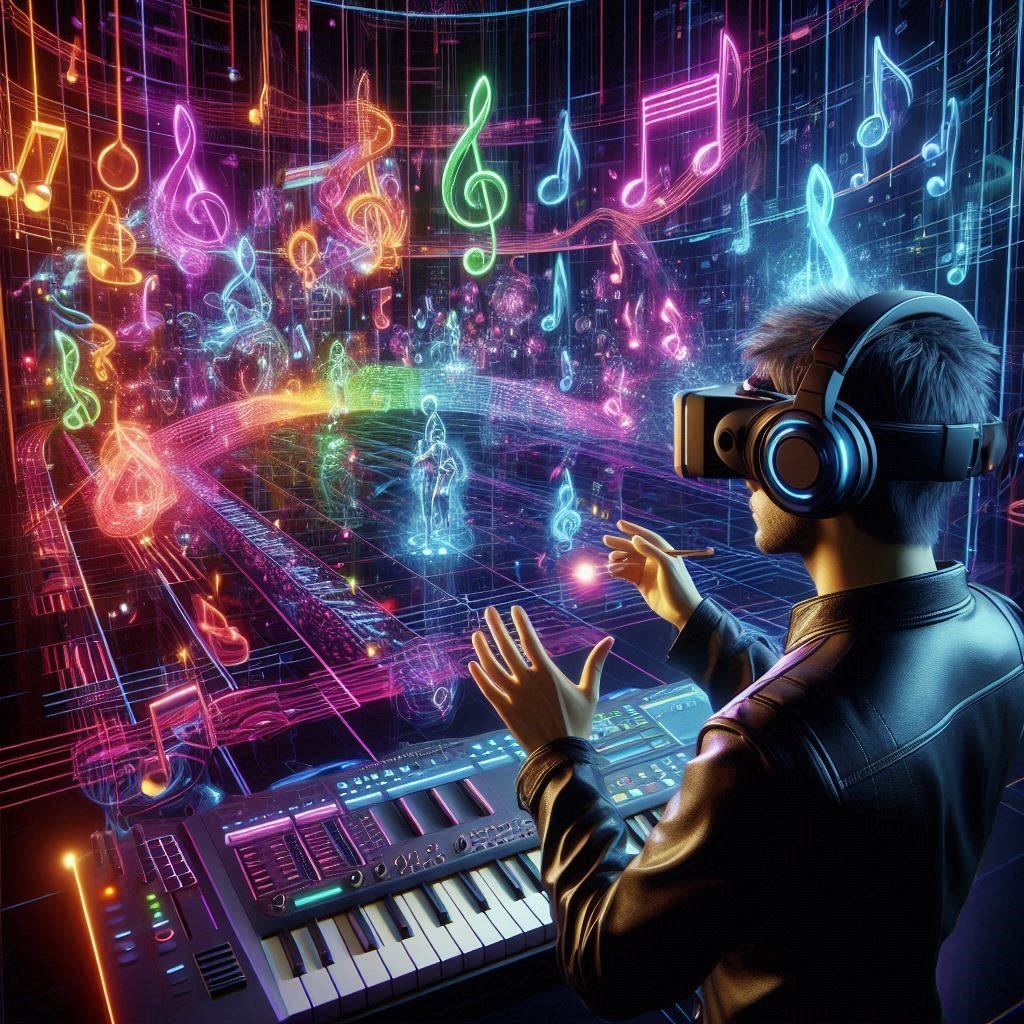
Perhaps the most “Sci-Fi” aspect of Future Music Technology 2026 is the emergence of Brain-Computer Interfaces. Companies like Neuralink and others have paved the way for consumer-grade wearables that can translate neural activity into MIDI data.
-
Thought-to-Sound: Composers can now “think” of a melody, and the software captures the pitch and rhythm directly from their brainwaves.
-
Bio-Feedback Music: Imagine a meditation track that changes its tempo and frequency based on your real-time heart rate and brain activity to ensure you reach a state of deep relaxation.
4. Web3 and Decentralized Royalty Systems
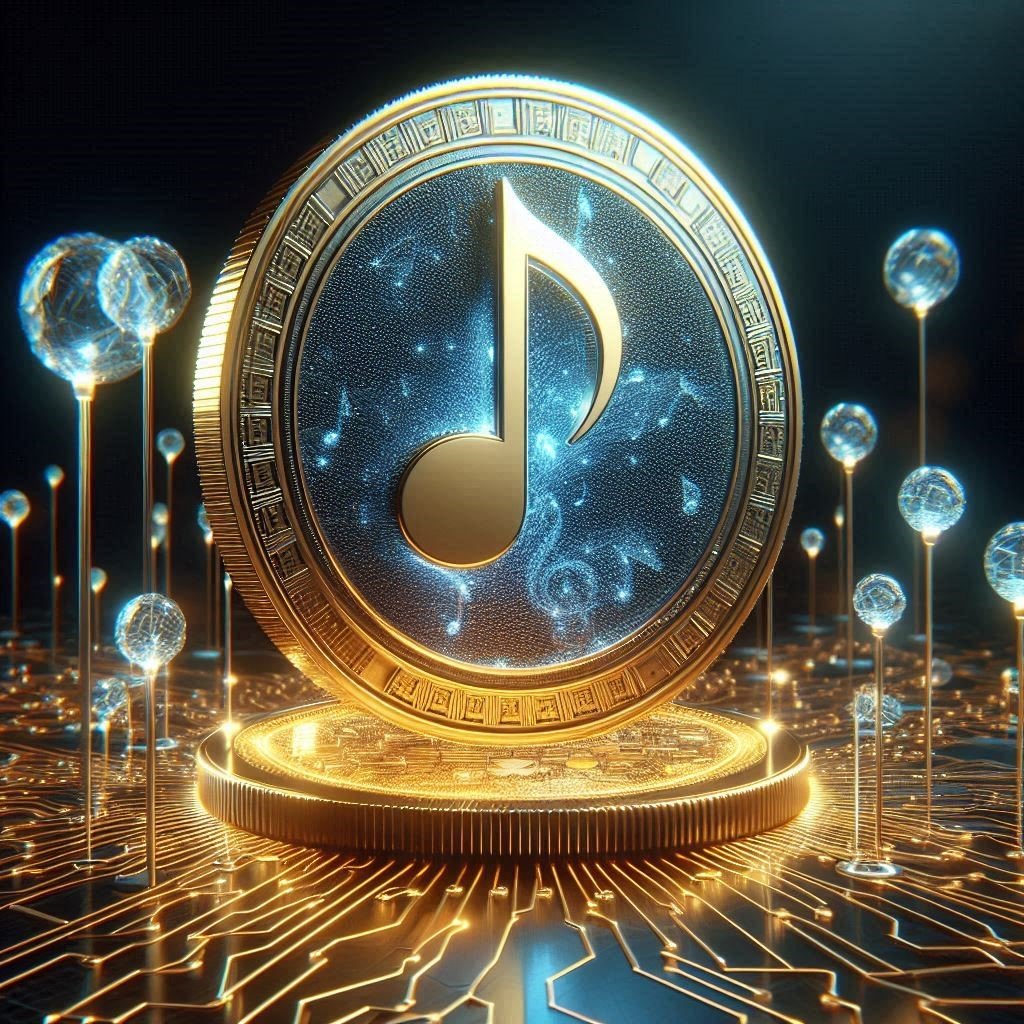
Transparency has been a long-standing issue in the music business. Future Music Technology 2026 uses blockchain to finally solve the “Black Box” royalty problem.
-
Smart Contracts: When a song is streamed, the payment is split instantly between the producer, singer, and songwriter. No more waiting 6 months for a check.
-
Fan Ownership: Through “Music NFTs 2.0,” fans can buy a percentage of a song’s future royalties, turning listeners into active investors in an artist’s career.
5. Spatial Audio and 6D Immersive Sound
Stereo is becoming a relic of the past. Future Music Technology 2026 is dominated by Spatial Audio and Object-Based Mixing.
-
360-Degree Soundscapes: Whether through headphones or smart-home speakers, music now surrounds the listener. Sounds move above, below, and behind you, creating a cinematic experience for every song.
-
Interactive Mixing: Listeners can now “walk” through a digital song. If you move your head toward the “virtual drummer,” the drums become louder, allowing for a personalized listening experience.
Learn how to produce these immersive tracks with our guide on the Best AI Songwriting Tools for modern creators.
6. AI-Synthesized Human Vocals (The “Vocal Twin”)
The ethics and technology of vocal cloning have matured. In 2026, many artists have a “Vocal Twin”—a perfect AI replica of their voice.
-
Multilingual Releases: An English-speaking artist can now release a song in Hindi, Spanish, or Japanese using their own “Vocal Twin” with perfect accent and emotion.
-
Legacy Preservation: Deceased legends are “returning” to the stage through legally authorized AI models, creating new music that is indistinguishable from their original recordings.
7. Sustainable and Green Music Tech
As climate awareness grows, Future Music Technology 2026 focuses on reducing the carbon footprint of the industry.
-
Eco-Friendly Servers: Streaming giants are moving to decentralized, green-energy-powered servers to host music.
-
Digital-Only Merch: To reduce physical waste, “Digital Wearables” for avatars are becoming as valuable—and as profitable—as physical t-shirts.
For the latest scientific breakthroughs in audio engineering, visit MIT Technology Review to see what’s next.
8. How Independent Artists Can Prepare for 2026
To thrive in the era of Future Music Technology 2026, you don’t need to be a coder, but you do need to be curious.
-
Experiment with Spatial Audio: Start mixing your tracks in Dolby Atmos.
-
Build Your Digital Identity: Claim your space in the Metaverse early.
-
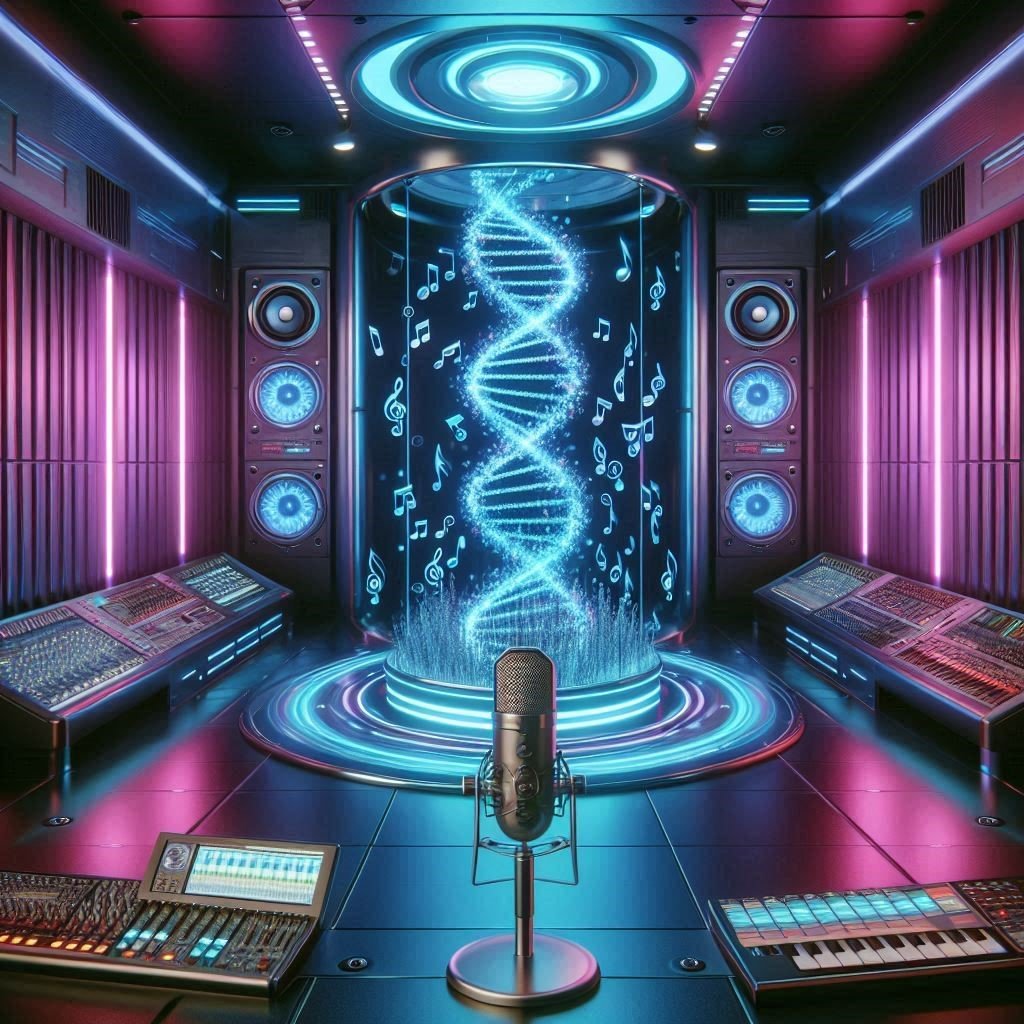
Secure Your Voice Rights: Ensure you own the rights to your “Vocal DNA” before third-party companies do.
Once your tech-driven track is ready, use our [Music AI Analytics Tools] to find your global audience.
Conclusion: Embracing the Sonic Frontier
Future Music Technology 2026 is not a threat to human creativity; it is the ultimate amplifier. These 7 disruptive trends are giving us the power to create things that were once physically impossible. The artists who will dominate the next decade are those who see these technologies not as “cheating,” but as a new set of brushes for a digital canvas.
The future of music is here. Are you ready to play?